
Most CCTV systems are installed with careful attention to camera placement and almost none to what happens when the power goes off. The result is a recording gap at precisely the moment coverage matters most.
What actually needs backing up
Four things, and all four must be on backup or the chain breaks:
- The cameras themselves (or the PoE switch powering them)
- The DVR or NVR
- The network switch, if the system is IP
- The router, if you rely on remote viewing during the outage
Backing up the recorder alone is a common and expensive mistake: it stays awake dutifully recording nothing, because the cameras are dark.
Sizing the backup
Add up the power draw of everything on that list, decide how many hours of autonomy you want, and size the battery capacity from those two numbers. Surveillance loads are usually modest, which is why this is one of the least expensive upgrades available.
UPS or inverter?
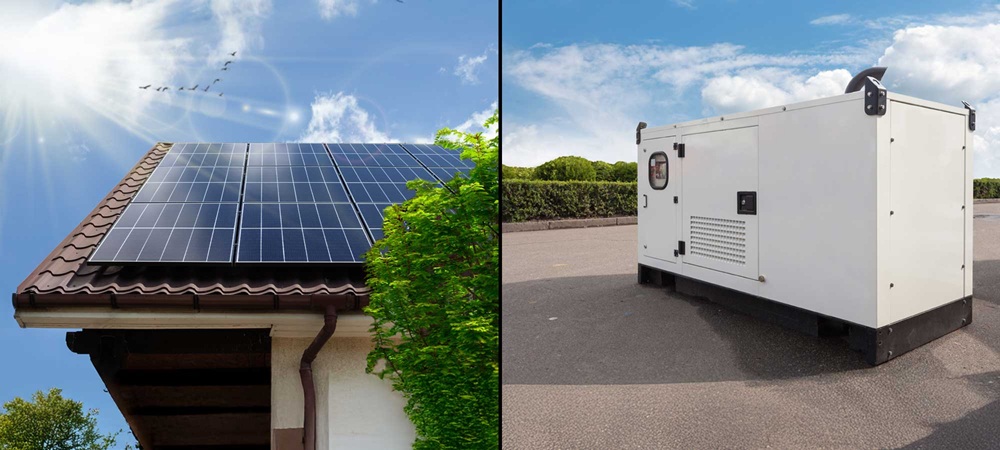
A small UPS is appropriate where you need to bridge short interruptions. For hours of autonomy, an inverter with a proper battery bank is the right tool. Where the site already has solar with storage, the surveillance system can usually sit on the essential-loads circuit.
Do not skip surge protection
In areas where the supply returns abruptly, surge protection on both the power and the camera lines protects equipment that costs far more than the protection does.
Then test it
Switch the mains off deliberately and confirm that cameras, recorder, switch and remote access all keep working for as long as you expected. An untested backup is an assumption, not a system.
Have a question about this? Ask our technical team on WhatsApp.
Chat on WhatsApp